
Dental veneers do not normally cause bad breath. However, unpleasant odours may develop when plaque, bacteria or food debris accumulate around the veneers, when oral hygiene is not maintained properly, or when the veneers do not fit the tooth perfectly. Gum disease and tooth decay can also lead to this problem.
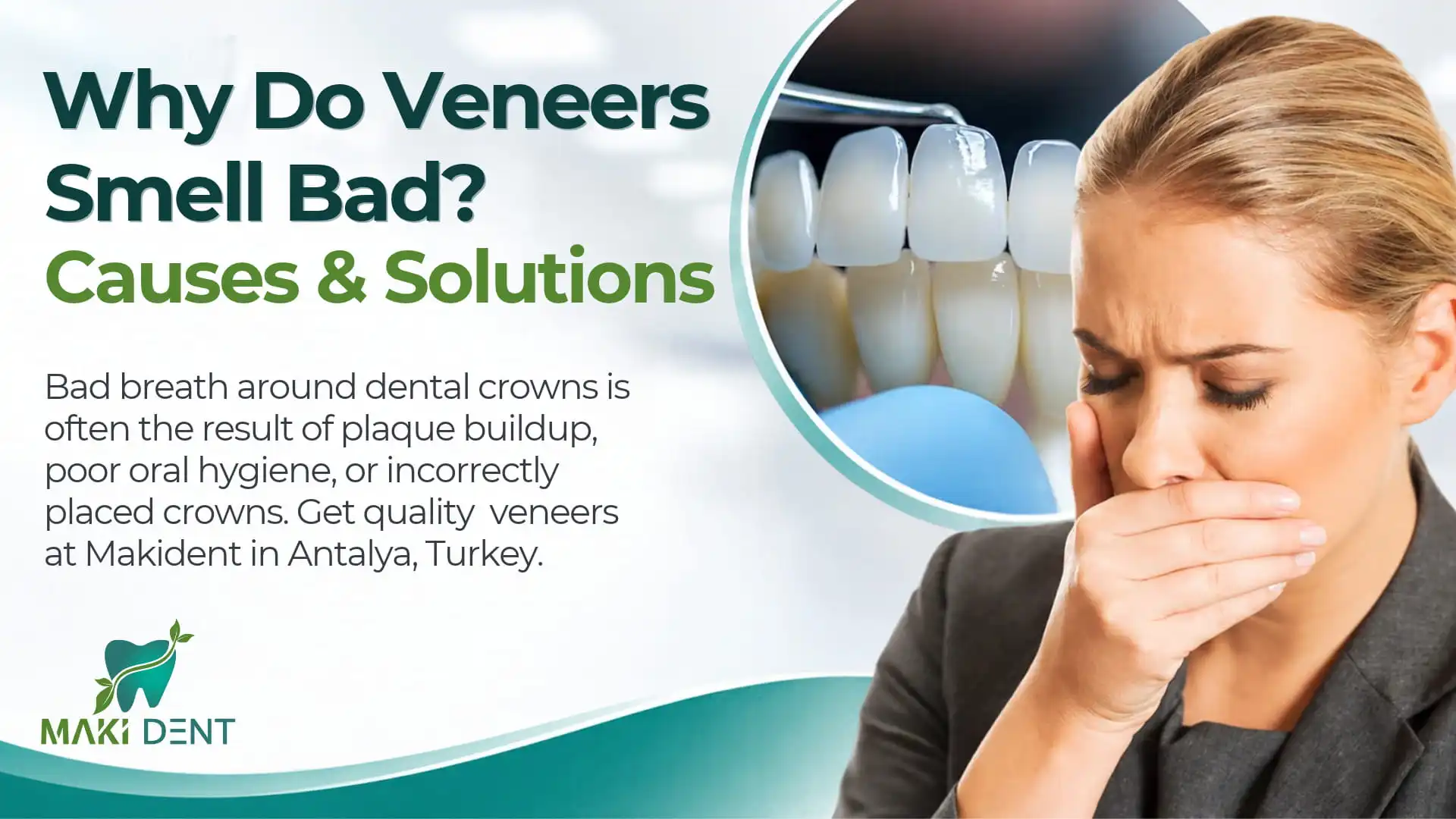
If you notice a bad smell around your dental veneers, improving your oral care routine may help. However, if the odour persists, you should consult a dentist. So, why do dental veneers smell bad, and how can this problem be prevented? Let’s take a closer look together.
Do veneers cause bad breath?
No, dental veneers do not directly cause bad breath They themselves do not smell, because glazed porcelain and ceramic materials are non-porous and do not absorb odours. However, a bad smell (often called "veneer breath") comes from bacteria and trapped food particles. Bad breath can happen around your veneers because of specific fitting or hygiene issues. Below, we explain the main causes of bad breath.
Why do veneers smell bad?
| Cause | Why it causes bad smells |
|---|---|
| Poorly fitted veneers | Food gets trapped in small gaps. |
| Lose veneers | Bacteria collect around the edges. |
| Plaque buildup | Bacteria release bad-smelling gases. |
| Poor oral hygiene | Food and bacteria stay on your teeth. |
| Gum disease | Infected gums can cause bad breath. |
| Tooth decay | Cavities can trap food and bacteria. |
| Leftover dental cement | Cement can collect plaque near your gums. |
| Dry mouth | Less saliva allows bacteria to grow. |
| Food stuck between teeth | Trapped food breaks down and starts to smell. |
| Smoking | Smoking causes bad breath, reduces saliva flow and increases the risk of gum disease. |
If your dental veneers do not fit properly, small gaps between your teeth can form especially around the edges. Food and plaque can get stuck in these gaps, even if you follow your daily rushing routine. Bacteria feed on the trapped food and release gases. Them main reason of bad smell is the gases.
Your gums is also a part of the problem. When plaque builds up around your dental veneers, your gums may become red, swollen or bleed when you brush. This can also cause bad smell, too.
Sometimes, tooth decay develops around or under your veneer. This can end with an unpleasant smell. Leftover dental cement can also trap plaque and irritate your gums, making the problem worse.
How to stop veneers smelling?
Brushing: Brushing your teeth and veneers twice a day is important step to keep plaque under control. But hold your brush at a 45-degree angle. This is also critical. Clean especially the site where your veneers meet your gums.
Flossing: Food particles commonly get easily between your teeth. So, follow your daily cleaning routines.
Water flosser or interdental brush: Some spots in your mouth are tricky to clean. Use a water flosser or a small interdental brush to get food and plaque out.
Tongue cleaning: Your tongue, especially back part of it, is important area for bacteria. You should use a toothbrush or tongue scraper on your tongue to get rid of them and end bad breath.
Alcohol-free mouthwash: Use an antibacterial mouthwash without alcohol. This solution also reduces bacteria, then bad smell.
Drinking water: A dry mouth is common reason of bad smell in your mouth. Drinking water increases saliva and keeps your mouth from drying out.
Professional dental care
Dental check-up: If the smell keeps coming back, something is going wrong around your veneers. Your dentist checks the edges, looks at your gums and takes X-rays if he suspects decay.
Professional cleaning: Plaque can harden into tartar over time. If it happens, brushing won't get it off. You will need a professional cleaning to remove the buildup around your teeth and veneers.
Veneer or cavity repair: A small gap around a veneer can trap food. Decay can also develop underneath. Your dentist may need to adjust, smooth out or replace the veneer and treat any damaged tooth.
Natural home remedies for veneer tooth odour
There are a few things you can try at home when your breath smells bad. This may help you for a short time. But never forget that they will not fix a problem with your veneers.
Baking soda water: A little baking soda and warm water might be useful to reduce acidity in your mouth. Do not expect it to solve your smell problem completely.
Parsley and mint: Chewing fresh mint or parsley leaves may cover up the smell for a while.
Water: Having a dry mouth can make the smell stronger. Drinking water throughout the day keeps your mouth moist and helps wash away bits of food.
Green tea: It contains natural compounds that may help keep some mouth bacteria down.
In addition to these, apple cider vinegar or white vinegar, sage and tea tree oil are also among the natural remedies that can be used as mouthwashes at home. Whilst these may provide temporary relief, they cannot completely eliminate the odour from dental restorations.
When to visit the dentist for veneer tooth odour?
Visit your dentist if:
- The bad odour does not end, even if you brush your teeth
- Your bad smell comes back again soon after your cleaning routine.
- Your gums bleed while you are brushing or flossing.
- You see redness, swelling or pain.
- A bad taste is available in your mouth that won't go away.
- One of your veneers loose or moves slightly.
- Your teeth are sensitive to hot or cold drinks.
- You notice a dark spot or a gap around the edge of a veneer.
- You feel pain during biting or chewing.
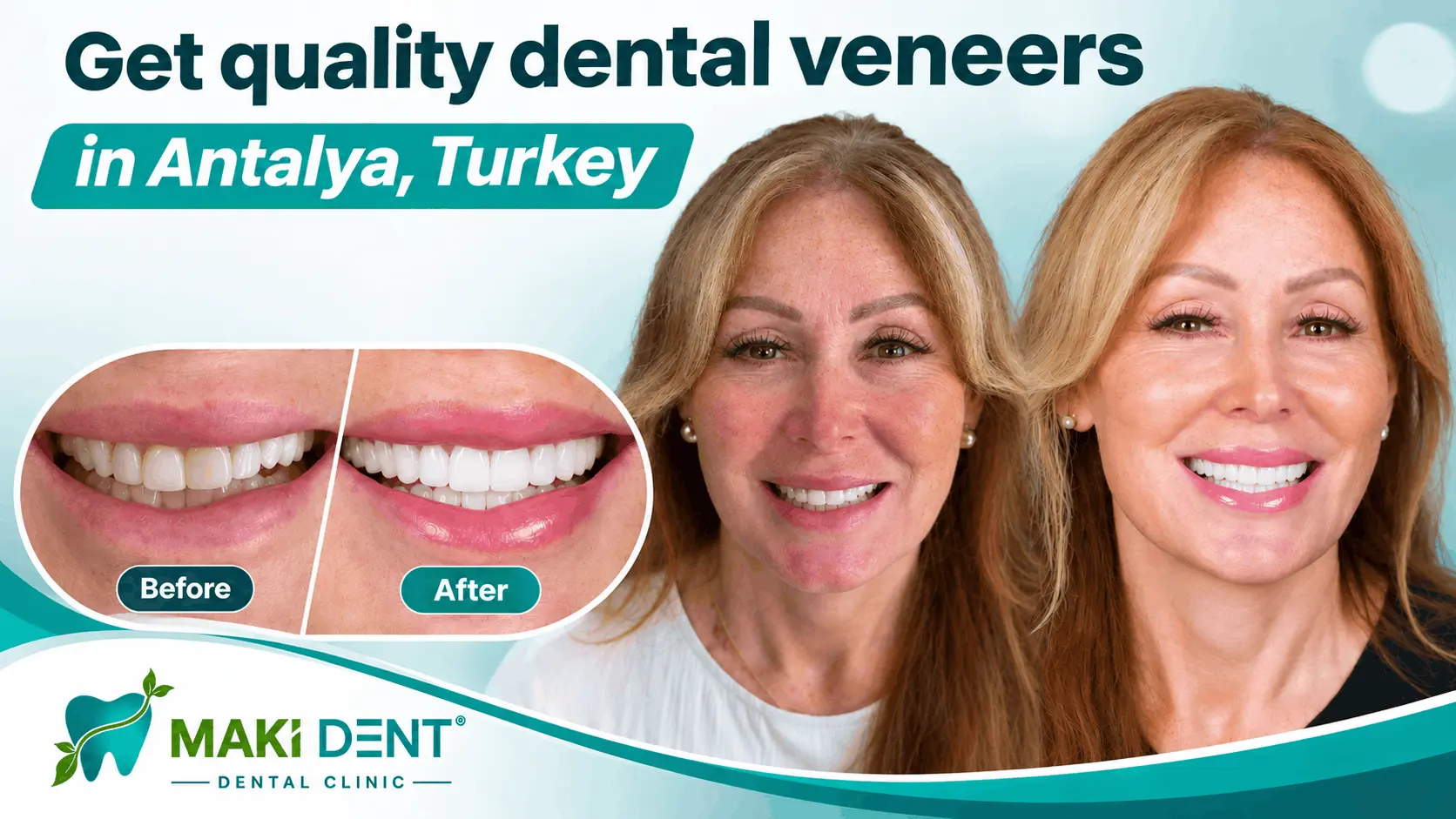
Get quality dental veneers in Antalya, Turkey at Makident
Properly fitted dental veneers and good oral hygiene are essential for a healthy, long-lasting smile. We offer personalised veneer treatments in Antalya designed for natural-looking results and long-term comfort. Contact Makident today to explore your options and take the first step towards a healthier, more confident smile.
Frequently Asked Questions
No, a properly put dental filling does not cause bad breath, but a faulty, cracked, loose, or deteriorating filling frequently can.
Yes, dentures can cause bad breath if food and bacteria get trapped underneath them.
No, a dental implant itself doesn't cause bad breath. But food and bacteria can build up around it, especially if the area isn't cleaned well.
Yes, a dental bridge can cause bad breath if food and bacteria get stuck underneath it. This is more likely if you don't clean around the bridge properly or if it doesn't fit well. Using a floss threader or interdental brush can help keep the area clean.

Dt. Merve Çelik
DENTIST · MAKIDENT DENTAL CLINIC · ANTALYA
Dt. Merve Çelik graduated from Istanbul Okan University and is a partner at Makident Dental Clinic in Antalya, Turkey. Her clinical work includes zirconia crowns, dental bridges, laminate veneers and other restorative dental treatments.
Medically reviewed by Dt. Merve Çelik
Published on ·
This article is for general information only and does not replace professional dental advice. Always consult a qualified dentist before treatment.